
Smart CRM Tools for Attorneys: Boost Efficiency & Client Engagement
Running a law practice today requires more than just legal expertise. Attorneys must juggle client relationships, track leads, manage case workflows, and ensure that no opportunity slips through the cracks. Without a structured system, even the most skilled attorneys can spend hours on administrative tasks instead of practicing law.
Smart CRM (Customer Relationship Management) tools are changing the game for attorneys in 2025. These platforms do more than just store contact information they automate workflows, track lead management, manage client communication, and provide actionable insights to enhance productivity and client satisfaction.
By adopting the right CRM tools, law firms can optimize lead management, improve follow-up efficiency, and ensure that each client receives personalized attention. This guide covers the best CRM tools for attorneys, their key features, benefits, and strategies to get the most from them.

Table of Contents
1. Why Attorneys Need Smart CRM Tools
Attorneys manage complex caseloads, multiple client communications, and ongoing marketing and business development efforts simultaneously. Without a centralized system, even small oversights can lead to lost opportunities and inefficiencies. Law firms that rely solely on spreadsheets, email threads, or fragmented tools often struggle with:
- Lost leads due to missed follow-ups: Prospects can easily slip through the cracks when reminders and communications are managed manually, leading to missed revenue opportunities.
- Disorganized client information: Important client data, case notes, and documents may be scattered across multiple platforms, making it difficult for lawyers and staff to access the information they need quickly.
- Manual scheduling errors: Coordinating meetings, consultations, or court appearances without automated scheduling tools can result in double bookings, missed deadlines, and frustrated clients.
- Inefficient marketing and intake workflows: Without automation, sending targeted communications, tracking engagement, and nurturing prospective clients can be time-consuming and inconsistent.
How Smart CRMs Solve These Challenges
Smart CRM tools consolidate client and prospect information in a single platform, providing attorneys with a complete view of every interaction. By tracking communications, managing case details, and automating repetitive tasks, these platforms reduce administrative burden and improve accuracy. Modern CRMs go beyond simple contact management, offering law firm-specific functionality such as:
- Lead scoring: Automatically prioritize prospects based on engagement, case type, or potential value, ensuring the team focuses on the most promising opportunities.
- Case tracking: Monitor the status of every case, from initial intake to resolution, helping attorneys stay organized and meet deadlines consistently.
- Automated follow-ups: Schedule reminders, emails, and notifications to clients and prospects automatically, reducing the chance of missed communication.
- Analytics and reporting: Gain actionable insights into client acquisition, marketing effectiveness, team productivity, and revenue trends, enabling smarter, data-driven decisions. Explore solutions we offer for law firm to see how technology streamlines workflows and boosts performance.
The Benefits for Law Firms
By implementing a smart CRM, law firms can operate more efficiently, convert more leads into paying clients, and provide a higher-quality client experience. Attorneys spend less time on administrative tasks and more time on billable work, while clients benefit from timely communication, organized case management, and a professional, personalized experience. In today’s competitive legal landscape, a CRM is no longer optional it’s a critical tool for growing your firm, improving client relationships, and staying ahead of the competition.

2. Key Features of Top CRM Systems for Law Firms
When evaluating CRM tools, attorneys should focus on features that directly impact efficiency, lead management, and client engagement. Modern CRMs offer a wide range of capabilities, but the most valuable are those designed to streamline workflows, automate repetitive tasks, and provide actionable insights.
1. Lead Management and Tracking
- Centralized dashboard for managing all prospective clients in one place
- Automated follow-up sequences via email, SMS, or phone to maintain consistent engagement
- Lead scoring to prioritize high-value opportunities based on engagement, case type, or potential revenue
- Integration with marketing platforms and case management tools for seamless workflows. Learn more about CRM for lawyers.
Benefits: Attorneys never miss an opportunity, can focus efforts on leads with the highest potential, and gain a clear view of the entire sales pipeline.
2. Client Intake Automation
- Custom intake forms that feed directly into the CRM, eliminating manual data entry
- Automatic scheduling of consultations, meetings, or calls to reduce back-and-forth coordination
- Pre-populated client profiles for faster onboarding and more accurate record keeping
Benefits: Streamlines onboarding, saves administrative time, reduces errors, and creates a professional first impression for new clients.
3. Workflow Automation
- Automatic task assignments and reminders for attorneys and staff
- Real-time status updates for ongoing matters and case progress
- Conditional automation triggered by case type, lead status, or client actions
Benefits: Improves team accountability, reduces bottlenecks, accelerates case handling, and ensures deadlines are consistently met.
4. Communication and Engagement Tools
- Centralized communication history with clients for easy reference
- Automated email and text follow-ups to maintain timely contact
- Pre-built templates for common client interactions, saving time while keeping messaging consistent
Benefits: Enhances client satisfaction by keeping communication professional, personalized, and consistent across the firm.
5. Analytics and Reporting
- Real-time dashboards tracking leads, case progress, and team performance
- Conversion and ROI reports to measure the effectiveness of marketing and intake efforts
- Insights into client engagement trends to identify areas for improvement
Benefits: Enables data-driven decision-making, uncovers gaps in processes, and improves overall operational efficiency.
Overall, choosing the right CRM platform is a strategic investment for law firms in 2025. By combining robust lead management, automated intake, workflow optimization, and insightful analytics, attorneys can significantly improve productivity, client satisfaction, and revenue outcomes. For firms looking to convert more prospects into clients efficiently, consider exploring law firm intake services to see how automation can enhance every step of the client journey.
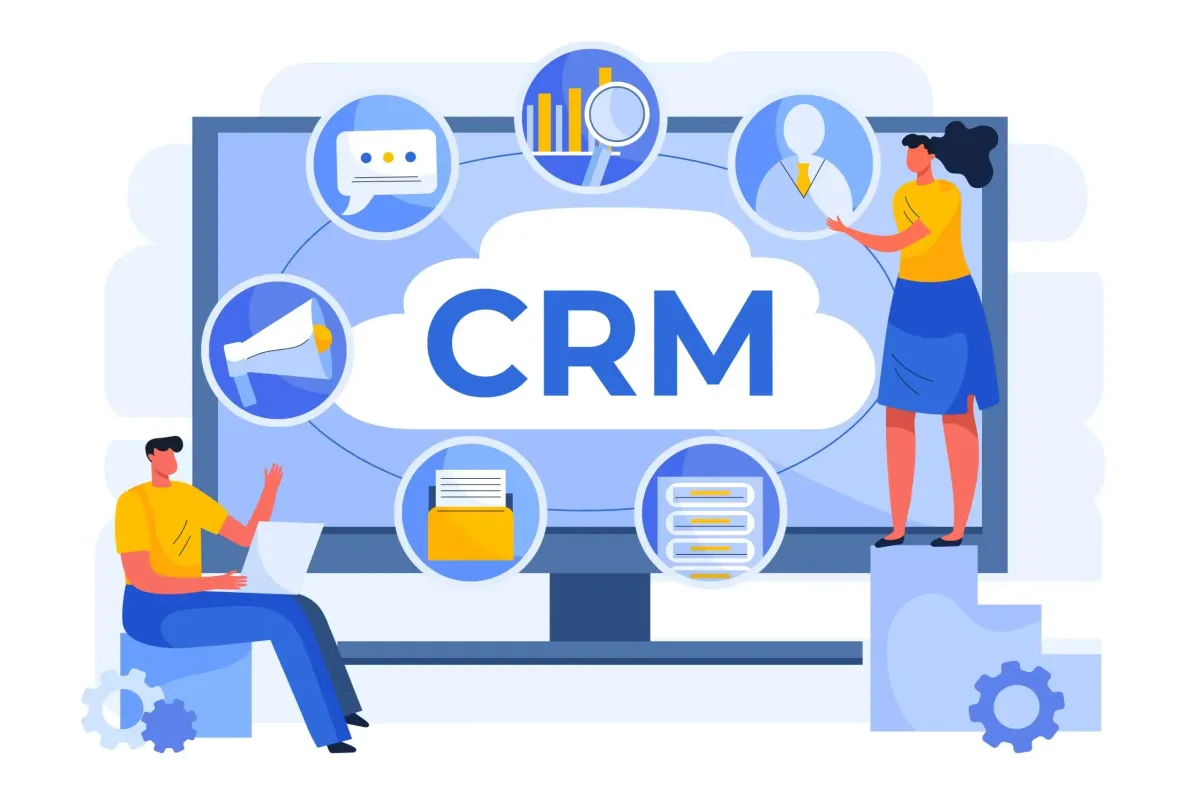
3. Best Smart CRM Tools for Attorneys in 2025
Selecting the right CRM can transform a law firm’s efficiency, client engagement, and revenue growth. Here are some of the leading CRM tools designed specifically for law firms in 2025:
1. Clio Grow
- Best for: Integrated practice and CRM management
- Features: Lead tracking, client intake automation, workflow management, secure client portal, document automation specific feature
- Ideal for: Small to mid-sized firms seeking a full-suite solution that combines case management, client intake, and CRM functionality
- Why it stands out: Clio Grow allows firms to manage leads, cases, and client communications from one platform, reducing software fragmentation and improving operational efficiency
2. Lawmatics
- Best for: Marketing and lead automation
- Features: Drip campaigns, automated follow-ups, custom intake forms, analytics dashboards for lead tracking and conversion
- Ideal for: Firms aiming to scale and nurture leads effectively, with a focus on turning prospects into paying clients
- Why it stands out: Lawmatics emphasizes automation for marketing and client engagement, helping attorneys maintain consistent communication and grow their client base
3. MyCase CRM
- Best for: Simplified all-in-one management
- Features: Lead tracking, secure client portal, task reminders, document storage, and collaboration tools
- Ideal for: Solo practitioners or small teams seeking a straightforward, easy-to-use CRM solution
- Why it stands out: MyCase offers simplicity without sacrificing essential functionality, making it quick to implement and effective for small firms
4. HubSpot CRM
- Best for: Firms new to CRM with budget-friendly options
- Features: Contact management, email automation, scheduling tools, marketing integration, and reporting dashboards
- Ideal for: Law firms looking to combine CRM with marketing automation for improved lead management
- Why it stands out: HubSpot CRM is intuitive, affordable, and scalable, providing an entry point for firms looking to digitize client and prospect workflows
5. Zoho CRM
- Best for: Customizable, affordable CRM solutions
- Features: Lead management, workflow automation, analytics, multi-channel communication (email, phone, chat, social)
- Ideal for: Tech-savvy attorneys who want flexibility, control, and extensive customization options
- Why it stands out: Zoho CRM allows firms to tailor the system to specific workflows, integrate with other platforms, and leverage data-driven insights to grow the practice
Choosing the right CRM depends on your firm’s size, goals, and workflow preferences. Whether you need a fully integrated practice management suite, a marketing-focused lead automation tool, or a simple yet powerful CRM for a small team, these solutions can help attorneys streamline operations, nurture leads, and deliver a professional, consistent client experience in 2025 and beyond.
4. How CRMs Improve Client Engagement
Smart CRM tools do more than just organize contacts they transform how law firms interact with clients and prospects. By making every interaction timely, personalized, and consistent, CRMs help firms build stronger relationships and improve overall client experience.
Faster Response Times
- Automated follow-ups, reminders, and notifications ensure that clients and prospects hear from your firm promptly, whether after an initial inquiry, a consultation, or a case update.
- Quick responses signal professionalism, build trust, and reduce the risk of losing leads to competitors.
Personalized Communications
- Modern CRMs track client preferences, case history, and previous interactions, enabling attorneys to send customized messages that feel relevant and thoughtful.
- Whether it’s a tailored email, a personalized check-in, or targeted content, personalization helps deepen client relationships and enhances engagement.
Consistent Follow-Ups
- Automated workflows ensure that no leads, prospective clients, or existing clients fall through the cracks.
- Reminders for follow-up calls, emails, or document requests keep your firm organized, prevent missed opportunities, and demonstrate a high level of attentiveness to clients.
Centralized Data
- All interactions, notes, and client information are stored in one secure platform, making it accessible to the entire team.
- This centralization improves collaboration, ensures continuity when multiple attorneys or staff handle a case, and reduces the risk of miscommunication or lost information.
- Firms can also use Legal Practice Area features to organize case types efficiently and ensure clients are matched with the right attorney expertise.
The Impact on the Firm
- Firms that leverage smart CRMs consistently report higher client satisfaction, stronger retention, and more referrals.
- Improved communication and engagement often lead to increased revenue from repeat business.
- By automating and optimizing client interactions, law firms can focus more on delivering high-quality legal services while maintaining a professional, attentive, and responsive client experience.

5. Workflow Automation Through CRM Integration
Automation within modern CRMs is a game-changer for law firms, transforming the way attorneys and staff manage internal workflows. By automating repetitive and time-consuming tasks, CRMs help firms operate more efficiently, reduce errors, and free up professionals to focus on strategic legal work and client service.
Task Management
- One of the most impactful features of CRM automation is task management. CRMs can automatically assign tasks to team members based on factors such as case deadlines, client priority, or lead status. For example:
- When a new client submits an intake form, the system can automatically assign a consultation task to the appropriate attorney.
- Follow-up calls or emails can be scheduled automatically based on previous interactions or engagement triggers.
- Task dashboards provide real-time visibility into ongoing assignments, making it easier for managers to monitor progress and identify bottlenecks.
- This level of automation ensures that no tasks are overlooked, accountability is maintained, and the team stays organized even during busy periods.
Document Automation
- CRMs also streamline the creation and management of legal documents. Template-based document generation allows firms to quickly produce contracts, engagement letters, NDAs, or other recurring documents without starting from scratch each time. Key benefits include:
- Pre-populating client data into templates to save time and reduce errors.
- Ensuring documents are consistently formatted and compliant with firm standards.
- Storing generated documents securely in the CRM for easy access and version control.
- By automating document workflows, attorneys spend less time on administrative drafting and more time on client strategy and casework.
Notifications and Alerts
- Automated notifications and alerts help attorneys and staff stay on top of deadlines, follow-ups, and important communications. Features include:
- Reminders for court dates, filing deadlines, and client meetings.
- Alerts when a lead or client requires immediate attention.
- Notifications for overdue tasks or milestones, helping prevent missed deadlines.
- Firms can also integrate AI Answering Services to automatically handle calls and messages, ensuring timely client contact even outside office hours.
- This proactive system ensures timely action on critical items, reduces stress, and enhances both client satisfaction and firm reputation.
Integration with Existing Tools
- Modern CRMs integrate seamlessly with existing tools such as email, calendars, billing software, document management systems, and marketing platforms. Integration allows:
- Automatic syncing of client communications, appointments, and billing data.
- Streamlined workflows without switching between multiple platforms.
- Consistent, centralized data across all systems for reporting, analytics, and decision-making.
- By connecting these tools, law firms can eliminate redundancies, improve efficiency, and maintain a single source of truth for all client and case information.
The Overall Impact
- Automation within CRMs allows law firms to operate more efficiently, reduce human error, and maintain a higher level of organization across teams.
- Attorneys and staff spend less time on repetitive administrative work and more time on meaningful legal tasks, case strategy, and client engagement.
- The result is a firm that is more productive, responsive, and capable of delivering superior service, all while maintaining accuracy, compliance, and operational clarity.

6. Final Thoughts — Turn Leads Into Loyal Clients
Smart CRM tools are no longer optional. they are a necessity for law firms in 2025. By automating lead management, client intake, workflows, and communications, attorneys can improve efficiency, boost client engagement, and focus on high-value legal work.
Key takeaways:
- CRMs increase lead conversion and client satisfaction
- Automation reduces errors and administrative burdens while ensuring compliance with confidential policies
- Centralized data improves collaboration and decision-making, including managing inbound and outbound calls efficiently
- Scalable solutions allow firms to grow without adding complexity
The right CRM transforms a law firm into a client-focused, highly efficient practice. Start with your most pressing workflows, implement gradually, and monitor results to ensure maximum impact.
7. FAQs – Smart CRM Tools for Attorneys
Adopting a smart CRM can be a game-changer for law firms. To help you navigate this process, here are the most common questions attorneys ask about CRM adoption in 2025, along with practical answers and guidance.
Q1: What is the best CRM for law firms in 2025?
Clio Grow, Lawmatics, and MyCase are leading options, each suited to different firm sizes and workflow needs.
Q2: Can CRMs integrate with existing law firm software?
Yes. Most CRMs integrate with case management, billing, email, and marketing platforms. You can schedule a demo to see how these integrations work in real time.
Q3: How do CRMs improve client engagement?
By automating follow-ups, tracking communication history, and enabling personalized messaging.
Q4: Are CRM tools secure for legal data?
Leading platforms use encryption, role-based access, and secure cloud storage to protect sensitive client information.
Q5: Do solo attorneys benefit from CRM tools?
Absolutely. Even small practices gain from streamlined lead management, automated follow-ups, and organized client data.
Q6: How long before a firm sees results from CRM adoption?
Most firms notice improved efficiency and lead management within a few weeks of implementation.
Q7: Can a CRM handle marketing automation?
Yes. Tools like Lawmatics and HubSpot CRM integrate email campaigns, lead nurturing, and client segmentation.
Q8: Is training required to use CRM effectively?
Yes, training ensures team adoption, proper use of workflows, and maximizes ROI.
Call 855-457-2803
Free 24/7 Strategy Session
Request a Call Back
NEED HELP? CONTACT US 24/7
(855) 457-2803
se habla espaÑol

WildGrowthControl is the first-ever all-in-one platform that will give you the tools, support and resources you need to succeed with your business.
©2026 WildGrowthControl is an independently owned and operated company - all rights reserved.